ITF SEAFARERS’ TRUST DAD-DER MARCOLAB SERTİFİKA PROGRAMI


Kocaeli Üniversitesi Denizcilik Fakültesi tarafından düzenlenen “Denizcilikte Psikoloji Temelli Pozitif Yönetim Çalıştayı”, Prof. Dr. Baki Komsuoğlu Kültür ve Kongre Merkezi’nde gerçekleştirildi. Denizcilik sektöründe psikolojik dayanıklılık ve yıldırma gibi kritik konuların ele alındığı çalıştayda, İstanbul Teknik Üniversitesi (İTÜ) Denizcilik Fakültesi, Denizcilik Bilişsel Ergonomi Araştırma Laboratuvarı Yöneticisi Prof. Dr. Leyla Tavacıoğlu, akademik…
At the 29th International Maritime Lecturers Association (IMLA) Conference held between 25–28 September 2024, the Cognitive Ergonomics Research Laboratory of Istanbul Technical University (ITU) Maritime Faculty made a scientific contribution with two original papers addressing psychosocial risks and forms of psychological violence in the maritime industry: These papers offer a…
We extend our sincere gratitude to all those who contributed to the organization of the conference, including academic stakeholders, industry representatives, and all participants. As the Cognitive Ergonomics Research Laboratory of Istanbul Technical University (ITU) Maritime Faculty, we reaffirm our dedication to advancing the maritime field. In particular, we remain…
Final Declaration As recent studies have shown, the mental health challenges faced by seafarers affect not only individual well-being but also the safety of ship operations and the overall efficiency of the maritime sector. According to a comprehensive study conducted by the International Transport Workers’ Federation (ITF) and Yale University…
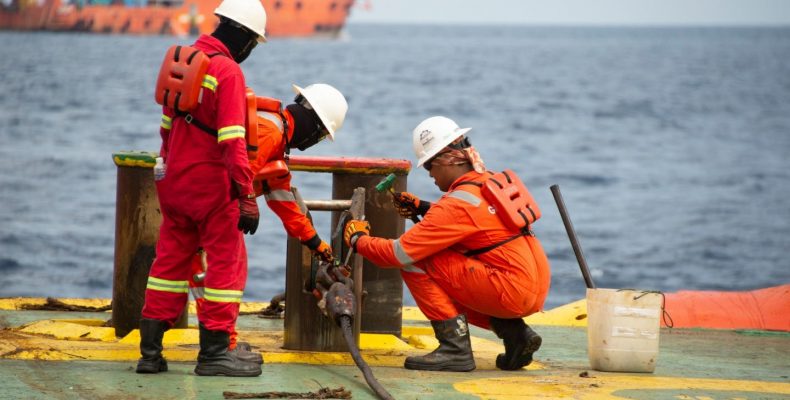
Seafaring is a demanding profession that involves long hours, isolation, and high-stress situations. While much of the focus in maritime safety has historically centered on physical hazards, an increasing body of research highlights the significant impact of fatigue and mental health issues on seafarers. Fatigue, coupled with mental health symptoms…

The maritime industry, with its unique working conditions, poses distinct challenges to the physical and mental well-being of seafarers. While much attention is given to physical safety on board, there is a growing recognition of the importance of mental health and psychological safety. One significant issue that affects the psychological…
In the demanding and high-stakes environment of maritime operations, the neurocognitive performance of seafarers plays a crucial role in ensuring both personal safety and the operational efficiency of the vessel. Cognitive functions such as attention, decision-making, memory, and problem-solving are critical to the day-to-day tasks seafarers face, from navigating in…

The maritime industry, long known for its unique challenges and risks, continues to be a vital component of global trade and transportation. As technological advancements rapidly reshape industries worldwide, the maritime sector is also evolving with the implementation of more sophisticated vessels, enhanced navigation systems, and increasingly automated operations. However,…
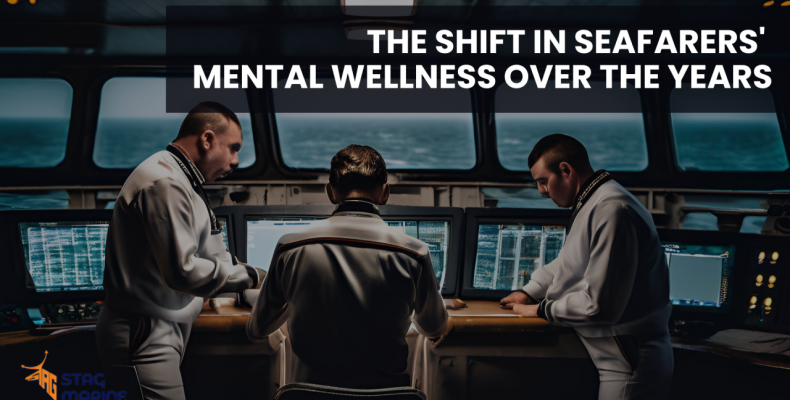
The maritime industry is a high-risk and demanding field, where seafarers face unique physical and psychological challenges. The nature of their work, often involving long hours at sea, isolation, and the need to maintain constant vigilance, significantly impacts their psychophysiological well-being. Understanding the effects of work shifts on seafarers’ mental…